
Chain tension is often overlooked during daily operations, yet it plays a critical role in both tire protection and equipment efficiency. Even high-quality tire protection chains can fail prematurely if they are not properly tensioned.
In heavy-duty environments such as quarries, mines, and tunnelling projects, improper chain tension can quietly reduce performance long before visible damage occurs.
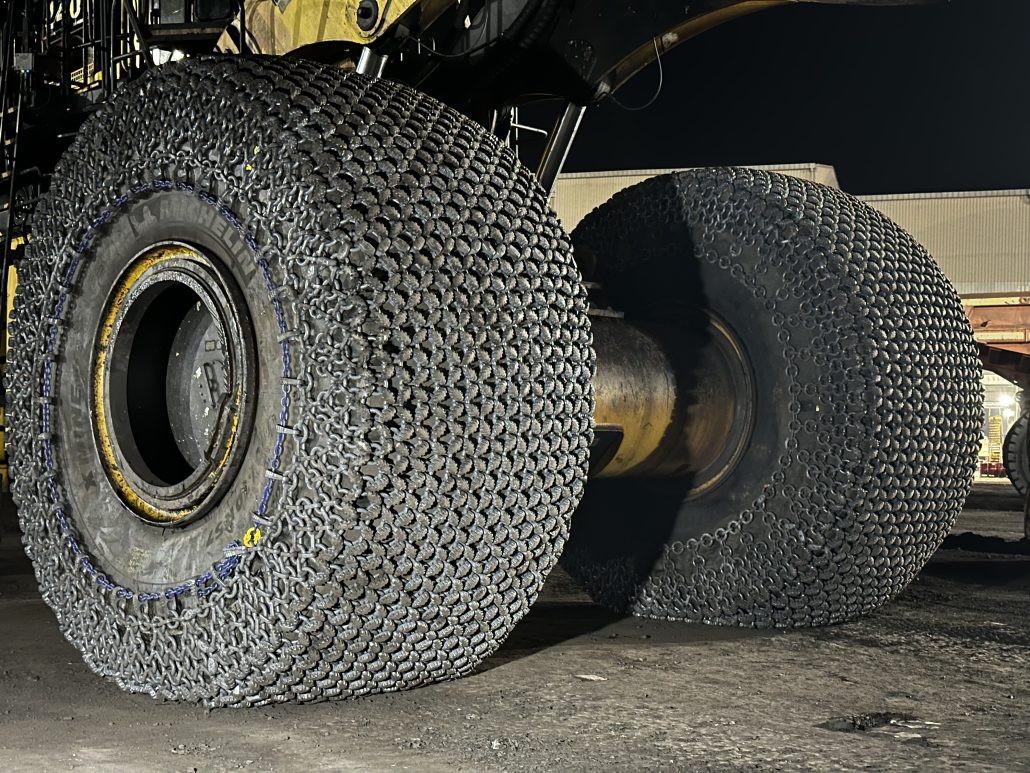
- Loose Chains and Their Hidden Risks
When chains are too loose, they tend to shift during operation. This movement may seem minor at first, but over time it creates serious problems:
- Uneven load distribution across the tire surface
- Increased friction on specific contact points
- Accelerated wear on chain links and connectors
Loose chains can also strike the equipment or suspension components, leading to unexpected mechanical damage.
- Over-Tightened Chains: A Different Kind of Damage
Over-tightening chains is another common mistake. Operators often assume tighter chains mean better protection, but excessive tension restricts the chain’s ability to flex naturally.
This can result in:
- Increased stress on tire sidewalls
- Reduced shock absorption
- Higher risk of chain breakage under load
Instead of protecting the tire, over-tight chains transfer excessive force directly to the tire structure.
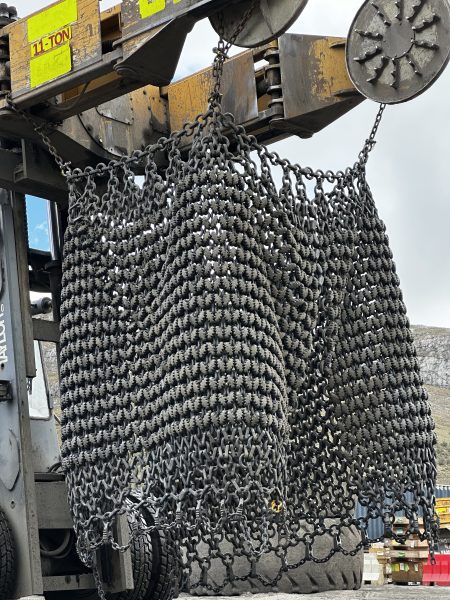
- Impact on Equipment Performance
Improper chain tension doesn’t only affect the tire. It also influences overall machine performance:
- Increased rolling resistance
- Higher fuel consumption
- Reduced traction efficiency
Over time, these factors can significantly increase operational costs without obvious warning signs.
- Chain Tension and Operator Safety
Chains that are too loose or too tight can compromise safety. Sudden chain failure or unexpected movement may lead to loss of traction or reduced machine control, especially on uneven or slippery terrain.
Consistent tension checks help maintain predictable equipment behavior, which is critical for operator confidence and site safety.
- Best Practices for Maintaining Proper Chain Tension
To avoid performance and safety issues:
- Inspect chain tension at the start of each shift
- Recheck tension after the first few hours of operation
- Adjust chains based on load conditions and terrain
- Replace worn tensioning components promptly
Proper tension management extends chain life, protects tires, and ensures stable equipment performance.


